
Saving money every month sounds easy, but in real life, it can be difficult. There are always bills to pay, things to buy, and unexpected expenses that can affect our budget. I used to think that saving money required a large income, but I have learned that small changes can make a big difference over time.
In my opinion, the best way to save money is not to completely stop spending. Instead, it is about understanding where your money goes and making better choices. Even saving a small amount every month can give you more financial confidence and help you prepare for the future.
Here are some simple ways that I believe can help almost anyone save money every month.
Start With a Simple Monthly Budget
The first thing I recommend is creating a simple monthly budget. You do not need complicated software or financial knowledge to do this. You can simply write down your monthly income and your regular expenses.
Start by listing important expenses such as rent, electricity, groceries, transportation, internet, phone bills, and other necessary payments. Then look at how much money remains after paying these expenses.
A budget helps you understand your financial situation. When I know exactly how much I can spend, I feel more comfortable making financial decisions. Without a budget, it is very easy to spend money without realizing how quickly it is disappearing.
Track Your Daily Spending
Small expenses can become a big problem when they happen every day. A coffee here, a snack there, and an unnecessary online purchase may not seem important individually. However, when you add them together at the end of the month, the amount can be surprising.
I believe tracking spending is one of the easiest ways to find money that you can save. For one month, write down everything you spend. You can use a notebook, spreadsheet, or budgeting app.
After a few weeks, you will probably notice certain patterns. Maybe you spend too much on food delivery, entertainment, shopping, or transportation. Once you know the problem, it becomes much easier to control it.
Cook More Meals at Home
Food is one area where many people can save a significant amount of money. Eating at restaurants or ordering food regularly can become expensive.
I am not saying you should never eat outside. I personally think it is important to enjoy your favorite meals sometimes. The idea is simply to make home cooking your normal choice instead of eating out every day.
Planning meals before going shopping can also help. When you know what you are going to cook, you are less likely to buy unnecessary items. Buying basic ingredients and preparing several meals at home can reduce your monthly food expenses.
Make a Shopping List
Going shopping without a list can easily lead to unnecessary spending. Stores are designed to encourage customers to buy more products, and online shopping platforms do the same thing.
Before going shopping, I recommend making a list of exactly what you need. Try to stick to that list as much as possible.
This simple habit has helped me avoid buying things just because they look interesting or are on sale. A discount is not really saving money if you did not need the product in the first place.
Cancel Unused Subscriptions
Subscriptions can quietly take money from your account every month. Streaming services, apps, online memberships, fitness programs, and other subscriptions may seem cheap individually, but several of them together can become a noticeable expense.
Take some time to check your bank or card statements and see what subscriptions you are paying for. Ask yourself whether you actually use each service.
If you have not used something for several months, canceling it could be an easy way to save money without changing your lifestyle too much.
Use the 24 Hour Rule
One habit I really like is waiting before buying something that is not necessary. If I see something I want, I try not to buy it immediately.
Instead, I wait at least 24 hours. Sometimes I still want the item after waiting, but often I realize that I did not really need it.
For more expensive purchases, you can wait even longer. Giving yourself time to think can prevent emotional shopping and help you make better decisions.
Reduce Electricity Usage
Saving money at home does not always require major changes. Small habits can reduce your utility bills.
Turn off lights when you leave a room. Unplug devices that you do not use regularly. Use appliances carefully and avoid leaving them running unnecessarily.
If you use air conditioning or heating, adjusting the temperature slightly can also help reduce energy consumption. These changes may seem small, but doing them consistently can make a difference over several months.
Save Money on Transportation
Transportation can take a large part of a monthly budget. If possible, consider walking, cycling, public transportation, or sharing rides for some trips.
If you drive, combining several errands into one trip can help reduce fuel costs. Regular vehicle maintenance can also prevent expensive problems later.
I believe transportation savings are especially useful because they can become a regular monthly saving rather than a one time saving.
Buy Generic Products
Brand names are not always better. In many cases, generic or store brand products can offer similar quality at a lower price.
This can apply to household products, food items, cleaning supplies, and other everyday purchases.
I recommend comparing prices instead of automatically choosing the most popular brand. You may discover that you can get what you need without paying extra simply for a name.
Set a Small Savings Goal
Saving money becomes easier when you have a specific goal. Instead of saying, “I need to save more,” choose a realistic amount.
For example, you might decide to save $50, $100, or another amount every month depending on your income and expenses.
The goal does not have to be large. What matters is consistency. Saving a small amount regularly can help you develop a habit that becomes stronger over time.
Automate Your Savings
One of the easiest ways to save money is to move the money before you have a chance to spend it.
If your bank allows automatic transfers, you can schedule a certain amount to move into your savings account after receiving your income.
I like this approach because it removes some of the decision making from the process. You do not have to remember to save every month. The money is moved automatically, and you can learn to manage the remaining amount.
Avoid Unnecessary Debt
Debt can make saving money much harder because part of your income goes toward repayments and interest.
Before taking on new debt, think carefully about whether the purchase is necessary. Credit cards and loans can be useful when managed responsibly, but they can also become expensive if balances continue to grow.
If you already have debt, creating a plan to reduce it can be one of the best financial goals you can set. Paying off high cost debt can eventually free up money that you can put toward savings.

Find Free Entertainment
Entertainment does not always have to cost money. There are many free activities that can be enjoyable.
You can take a walk, read books, watch free educational content, visit public places, spend time with friends, or enjoy hobbies at home.
I think the key is to stop believing that having fun always requires spending money. Once you discover free activities that you genuinely enjoy, saving becomes much easier.
Review Your Expenses Every Month
Your financial situation can change from month to month. That is why I believe it is important to review your budget regularly.
At the end of each month, look at your income and expenses. Ask yourself where you spent more than expected and where you managed to save.
Do not become discouraged if you do not meet your goal every month. The purpose of reviewing your expenses is to learn and improve.
Keep an Emergency Fund
Saving money is not only about buying something in the future. It is also about protecting yourself when something unexpected happens.
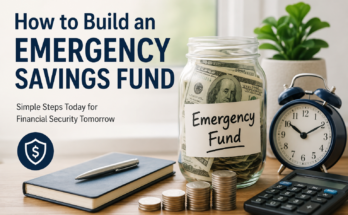
An emergency fund can help cover unexpected expenses such as repairs, urgent travel, household problems, or other financial surprises.
You do not need to build a large emergency fund immediately. Start with a small amount and increase it gradually. Having even a modest financial cushion can provide peace of mind.
Final Thoughts
In my opinion, saving money every month is mostly about developing better habits rather than making huge sacrifices. You do not need to stop enjoying life or avoid every purchase.
The most important thing is to understand where your money is going. Start with a simple budget, track your spending, reduce unnecessary expenses, cook more meals at home, cancel unused subscriptions, and set a realistic savings goal.
Small changes may not feel important at first, but they can become powerful when you repeat them every month. The money you save today can help you deal with unexpected expenses, reach future goals, and feel more confident about your finances.
I have learned that successful saving is not about being perfect. Some months may be better than others. What matters is continuing the habit and making small improvements whenever possible.
If you start with just one or two changes from this list, you can gradually build a healthier relationship with your money. Over time, those small savings can add up to a meaningful amount and give you more control over your financial future.