I believe having a personal financial plan is one of the most useful things anyone can do for a better and more peaceful life. Money affects almost every part of our daily lives, but many people only think about their finances when there is a problem. A sudden expense comes up, a bill becomes difficult to pay, or the month ends before the money does. I have learned that financial problems are often not only about how much money a person earns. They can also happen because there is no clear plan for using that money.
A personal financial plan gives you a simple direction. It helps you understand where your money is coming from, where it is going, what you want to achieve, and what steps you need to take. You do not need to be rich to create one. In my opinion, a financial plan is actually more important when your income is limited because it helps you make better decisions with the money you already have.
Understand Your Current Financial Situation
The first step I would take when creating a financial plan is to understand my current financial situation. Before deciding where I want to go, I need to know where I am today.
I would write down all my sources of income. This could include salary, freelance work, business income, rental income, or any other money I regularly receive. After that, I would list my monthly expenses. These expenses may include rent, food, transportation, electricity, internet, education, subscriptions, entertainment, and other regular costs.
I would also look at my debts and savings. Knowing how much I owe and how much I have saved gives me a much clearer picture of my financial position.
This step can sometimes feel uncomfortable because we may discover that we are spending more than we realized. However, I think being honest with yourself is much better than ignoring the situation. You cannot create a useful financial plan without knowing your actual numbers.
Set Clear Financial Goals
Once I understand my current situation, the next step is deciding what I want my money to help me achieve.
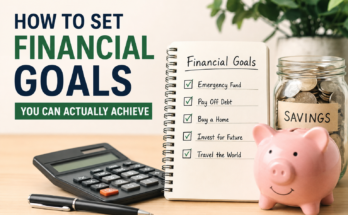
I prefer setting specific goals instead of simply saying that I want to save more money. For example, I might decide that I want to save a certain amount for an emergency fund, pay off a particular debt, buy a car, start a business, purchase a home, or prepare for retirement.
Financial goals can be divided into short term, medium term, and long term goals.
Short term goals might include saving for an upcoming expense or building a small emergency fund. Medium term goals could involve buying a vehicle or saving for education. Long term goals may include buying a home or building enough wealth for retirement.
The important thing is that the goal should be realistic. I believe setting an impossible target can make a person feel discouraged. It is better to start with a goal that is challenging but achievable and then increase it as your financial situation improves.
Create a Realistic Budget
A budget is one of the most important parts of a personal financial plan. It tells me how I should use my income before I actually spend it.
I would divide my expenses into different categories. Essential expenses come first. These include things I need for normal living, such as housing, food, utilities, transportation, and necessary healthcare.
Then I would look at flexible expenses. These could include eating outside, shopping, entertainment, subscriptions, and other optional purchases.
I do not believe that creating a budget means removing every enjoyable thing from life. A budget should help you control your money, not make you feel punished. I would always leave some room for entertainment and personal spending if my income allows it.
The biggest benefit of budgeting is awareness. When I know how much I can spend in each category, I am less likely to make random purchases that create problems later.
Build an Emergency Fund
One thing I strongly believe should be included in every financial plan is an emergency fund. Life does not always follow our plans. A medical bill, job loss, home repair, family emergency, or unexpected expense can happen at any time.
Without savings, an emergency may force someone to borrow money or use expensive credit. Having money set aside can make these situations much easier to handle.
I would start with a small target rather than waiting until I can save a large amount. Even a small emergency fund is better than having nothing available.
As my income and savings improve, I would gradually increase the fund. The exact amount someone needs depends on their lifestyle, income stability, family responsibilities, and regular expenses.
Manage Debt Carefully
Debt can become a major obstacle to financial progress, especially when high interest is involved. This is why I would make debt management an important part of my financial plan.
First, I would write down every debt, including the balance, interest rate, and minimum payment. This helps me see exactly what I am dealing with.
After that, I would focus on creating a repayment strategy. Some people prefer paying the highest interest debt first because it can reduce the total interest paid over time. Others prefer paying the smallest balance first because seeing a debt disappear can provide motivation.
Whatever method I choose, I would avoid taking on unnecessary new debt while trying to pay off existing balances. I think controlling new borrowing is just as important as repaying old debt.
Start Saving Regularly
Saving money becomes easier when it becomes a habit. Instead of saving only whatever is left at the end of the month, I would try to save a specific amount soon after receiving my income.
The amount does not have to be huge. If someone can only save a small percentage of their income, that is still a good beginning.
Consistency matters more than trying to make one large deposit and then stopping. Over time, regular savings can become a meaningful financial resource.
I also think it is helpful to separate savings from everyday spending money. When savings are kept in a separate account, it can be easier to avoid spending them casually.
Think About Investing
After building a basic financial foundation, investing can become another part of the plan. Investing gives money an opportunity to grow over the long term, although investments always involve some level of risk.
I would not invest money that I need for immediate expenses. Before investing, I would make sure that important bills are covered and that I have some emergency savings.
There are many investment choices, including stocks, bonds, mutual funds, exchange traded funds, and other assets. The right choice depends on a person’s goals, time horizon, financial situation, and ability to handle losses.
For me, the most important lesson would be to understand an investment before putting money into it. I would not invest simply because someone online says that an asset is guaranteed to make money. There is no investment that can honestly guarantee large returns without risk.
Plan for Retirement
Retirement may seem far away, especially when someone is young, but I believe starting early can make a big difference.
A retirement plan gives me a reason to think about the future version of myself. I would consider how much money I may need, what lifestyle I would like to have, and what sources of income could support me later in life.
The earlier someone starts saving and investing for retirement, the more time their money may have to grow. Even small regular contributions can become meaningful over a long period.
I would also review my retirement strategy as my income, family situation, and goals change.
Protect Your Financial Future
A financial plan should not only focus on making and saving money. It should also consider protecting what I already have.
Depending on my situation, this could include appropriate health, life, property, or other insurance. Insurance can help reduce the financial impact of major unexpected events.
I would also keep important financial documents organized. This might include bank information, insurance details, investment records, property documents, and other important paperwork.
Good financial protection gives me more confidence because I know I have considered some of the risks that could affect my finances.
Review Your Financial Plan Regularly
Creating a financial plan once is not enough. Life changes, and the plan should change with it.
My income could increase or decrease. My expenses might change. I could get married, have children, change careers, start a business, or move to another city. All of these things can affect financial priorities.
I would review my financial plan regularly, perhaps every few months. During the review, I would check my spending, savings, debt, investments, and progress toward my goals.
If something is not working, I would change it instead of abandoning the entire plan. A financial plan should be flexible enough to adapt to real life.
Avoid Comparing Your Finances With Others
One financial mistake I think many people make is comparing their financial life with someone else’s.
Social media can make it look like everyone is buying expensive cars, traveling frequently, owning beautiful homes, and enjoying a perfect lifestyle. But we rarely see the debt, stress, family support, or financial struggles behind those pictures.
My financial goals should be based on my own income, responsibilities, values, and future plans. Someone else reaching a goal faster does not mean I am failing.
Personal finance is personal. What works for one person may not work for another.
Keep the Plan Simple
I believe the best financial plan is one that I can actually follow. It does not need to contain complicated spreadsheets or dozens of investment accounts.
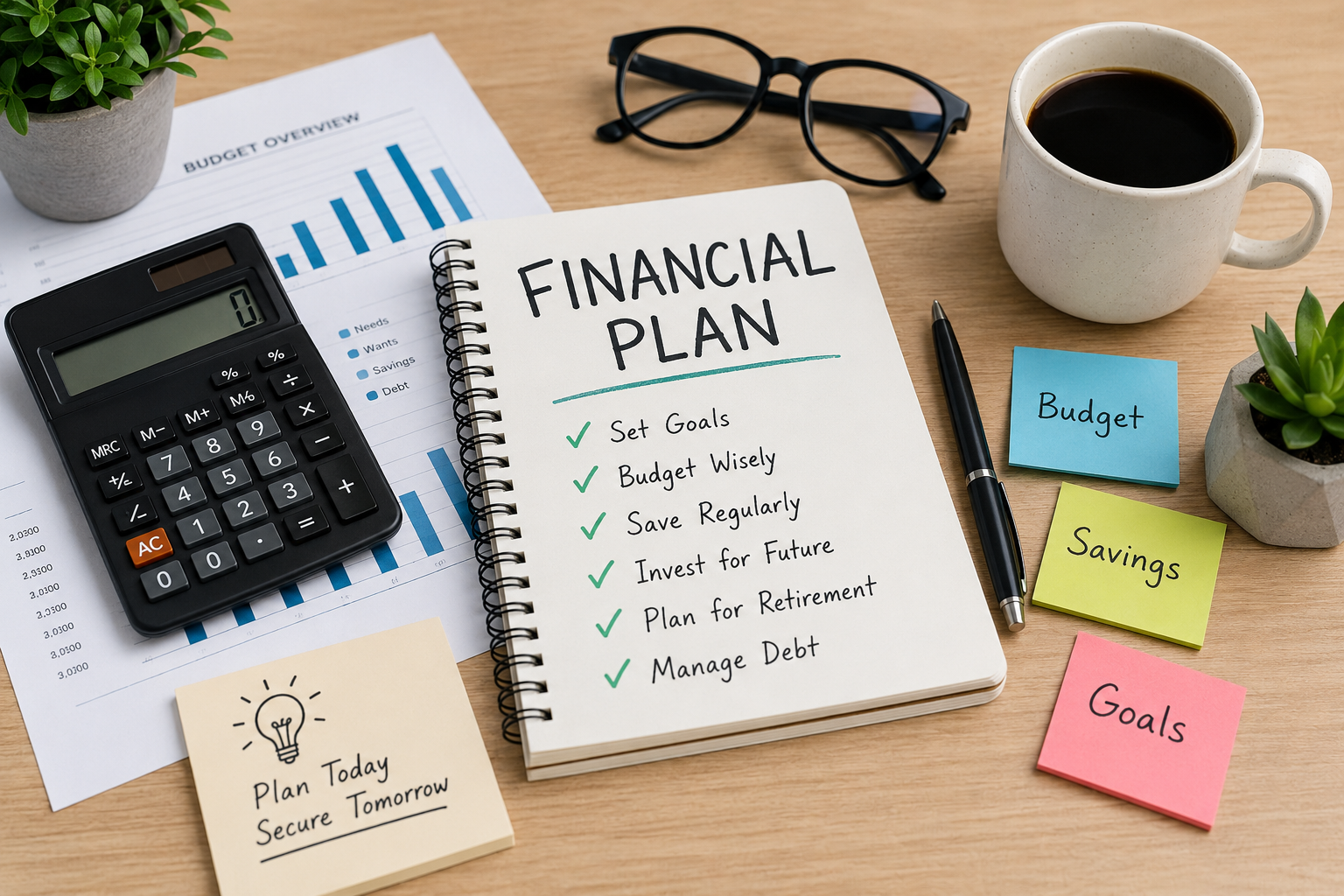
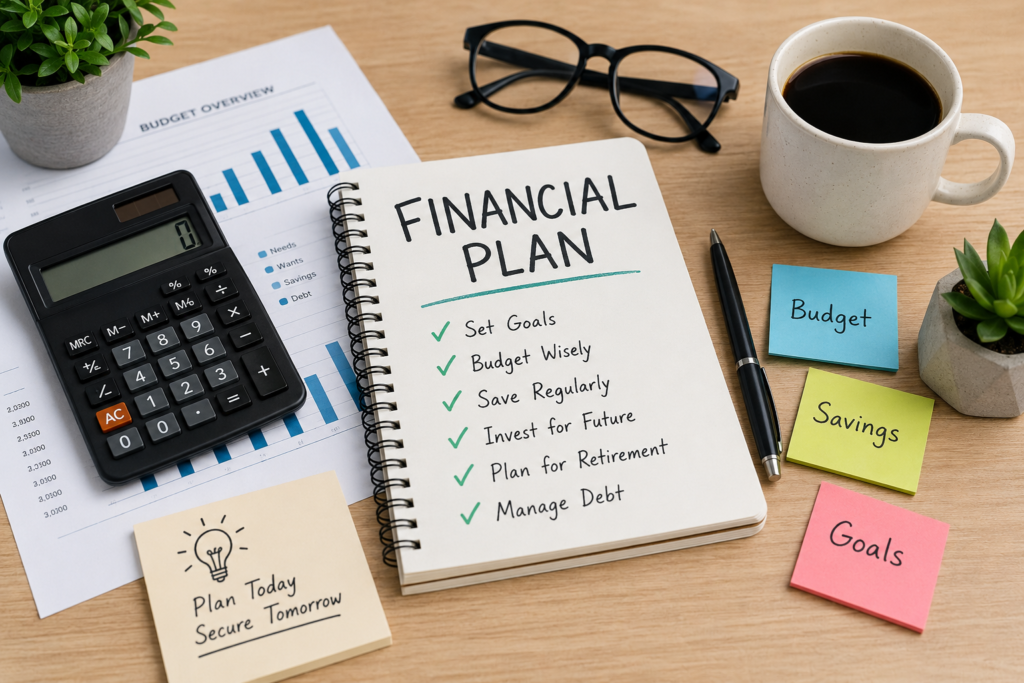
A simple plan could include a monthly budget, an emergency fund, a debt repayment strategy, regular savings, long term investments, and clear financial goals.
The goal is not to create a perfect plan. The goal is to create a useful plan and follow it consistently.
Final Thoughts
Creating a personal financial plan may seem difficult at first, but I believe it becomes much easier once you start with the basics. Understanding your income and expenses, setting realistic goals, creating a budget, building emergency savings, managing debt, investing carefully, and preparing for retirement can give you a strong financial foundation.
For me, the most important part is consistency. A financial plan does not produce results overnight. It works through small decisions repeated over many months and years.
You do not need to have a high income to start planning your finances. You simply need to understand your money and make intentional decisions about it. Even a small improvement today can make your financial situation better in the future.
In the end, I see a personal financial plan as a roadmap rather than a strict set of rules. It helps me understand where I am, where I want to go, and what I need to do to get there. When money has a clear purpose, it becomes much easier to make confident decisions and build a more secure future.