Saving money sounds simple until you actually try to do it. Every month we have bills to pay, groceries to buy, unexpected expenses, and sometimes a few things we simply want to enjoy. Because of this, I believe saving should not feel like a punishment. It should be a normal part of managing money.
One question I often think about is how much money a person should save every month. There is no single amount that works for everyone. Your income, lifestyle, responsibilities, debts, and financial goals all play a role. Someone earning a small income may not be able to save the same amount as someone earning a high salary.
In my opinion, the most important thing is to start with an amount that feels realistic and then increase it as your financial situation improves.
Start With Your Income
The first thing I would look at is monthly income. Before deciding how much to save, I need to know how much money is actually available after taxes and other deductions.
For example, if someone brings home $2,000 every month, saving $1,000 may sound great, but it may not be realistic if their essential expenses already use most of their income. Instead of choosing an unrealistic target, I would first understand where the money is going.
I believe a good savings plan should fit into your real life. If you force yourself to save too much, you may eventually become frustrated and stop saving altogether.
For many people, saving around 10 percent of their monthly income can be a reasonable starting point. If your income is $2,000, that would mean saving $200 each month. If you can comfortably save more, that is even better.
The percentage is not a strict rule. It is simply a starting point.
Is Saving 10 Percent Enough?
Saving 10 percent is often mentioned as a general guideline, but I do not think it should be treated as a universal rule.
If you are currently struggling to cover basic expenses, even saving 5 percent can be meaningful. If you earn a comfortable income and have low expenses, you may be able to save 20 percent or more.
For me, consistency matters more than trying to save a huge amount for a few months.
Imagine saving $100 every month for a year. That gives you $1,200, without including any interest you might earn. If you continue doing this year after year, the amount can become significant.
The habit itself is valuable. Once saving becomes part of your monthly routine, it becomes much easier to increase the amount later.
Consider Your Monthly Expenses
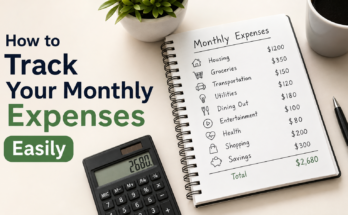
Before deciding on a savings target, I would make a list of regular monthly expenses. This includes rent or mortgage payments, food, transportation, utilities, insurance, phone bills, subscriptions, debt payments, and other necessities.
I would also look at spending that happens less frequently. Things like annual insurance payments, school expenses, vehicle repairs, gifts, and holidays can create financial pressure if you forget to plan for them.
After understanding your expenses, you can see what amount is realistically available for saving.
For example, suppose your monthly income is $3,000 and your essential expenses are $2,200. You have $800 left. You could decide to save $400 and use the remaining amount for flexible spending and unexpected costs.
The important point is that your savings target should be based on your actual financial situation rather than a number you found online.
Build an Emergency Fund First
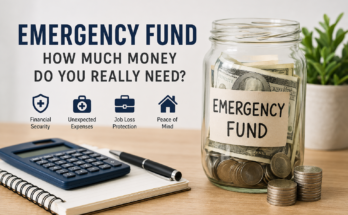
One of my biggest priorities when saving money would be building an emergency fund.
An emergency fund is money kept aside for unexpected situations. It can help with things like medical bills, urgent home repairs, car problems, or a sudden loss of income.
Without emergency savings, an unexpected expense can force you to use a credit card or borrow money.
I would start with a small emergency fund if I had nothing saved. Even $500 or $1,000 can provide some peace of mind. After reaching that first target, I would gradually work toward having several months of essential expenses saved.
The exact amount depends on your situation. Someone with a stable job and low expenses may need less than someone with an unpredictable income or several financial responsibilities.
Saving for Short Term Goals
Not all savings need to be for emergencies.
You may also have short term goals such as buying a laptop, taking a vacation, paying for education, purchasing furniture, or replacing an old phone.
I personally think it is easier to save for these goals when you give each goal a specific purpose.
For example, if I wanted to save $1,200 for a vacation in one year, I would divide the amount across twelve months. That would mean saving $100 per month.
Having a specific target makes saving feel more achievable because you know exactly why you are putting money aside.
Saving for Retirement
Another important reason to save every month is retirement.
When you are young, retirement can seem very far away. It is easy to think there will always be plenty of time to start saving later. However, I believe starting early can make a major difference because your savings may have more time to grow.
The amount you save for retirement will depend on your income, age, expected retirement lifestyle, and available investment options.
If your employer offers a retirement savings program with matching contributions, I would seriously consider taking advantage of it if it fits your circumstances.
Even if you cannot save a large amount right now, starting with something small can help create a long term habit.
What If You Have Debt?
Debt can make saving more complicated.
If you have high interest debt, such as expensive credit card debt, you may need to balance saving with debt repayment.
I would still try to keep a small emergency fund because having no savings at all can make an unexpected expense much harder to handle. At the same time, I would focus on reducing expensive debt as quickly as possible.
For example, you might save a small amount each month while putting extra money toward high interest debt. Once the debt is under control, you can redirect that money toward savings and investments.
The right balance depends on your interest rates, income, expenses, and financial goals.

Automate Your Savings
One of the easiest ways I know to make saving more consistent is automation.
Instead of waiting until the end of the month to see what money is left, you can arrange for a specific amount to move into your savings account soon after receiving your income.
This changes the process completely.
If I receive my income and immediately move $200 into savings, I know that $200 is not available for everyday spending. I can then plan my expenses around the remaining money.
This approach can reduce the temptation to spend everything first and save whatever happens to remain.
Increase Your Savings When Your Income Grows
I do not think your savings amount should stay the same forever.
If your salary increases, your freelance income grows, or you receive a bonus, consider increasing your savings instead of increasing your lifestyle by the same amount.
For example, if you were saving $200 each month and your income increased by $400, you could put an additional $100 or $200 into savings.
You can still enjoy some of the extra money while improving your financial position.
This is one of the habits that can make a big difference over time.
What If You Can Only Save a Small Amount?
There is nothing wrong with starting small.
If you can only save $20 or $50 each month, start there. The goal is to build the habit rather than waiting for the perfect financial situation.
Many people delay saving because they believe they need a large amount of money to make a difference. I think this mindset can prevent people from starting.
Saving $50 every month may not make you rich quickly, but it is better than saving nothing. More importantly, it teaches you how to manage money and prioritize your future.
As your income changes, you can adjust the amount.
How Much Should You Save Based on Your Income?
A simple starting point could be to save around 10 percent of your take home income.
If you earn $1,500 per month, that would be $150.
If you earn $2,000, that would be $200.
If you earn $3,000, that would be $300.
If you earn $5,000, that would be $500.
These numbers are only examples. Your personal target may be lower or higher depending on your expenses and goals.
If 10 percent feels impossible, start with 5 percent. If 10 percent feels easy, consider moving toward 15 or 20 percent.
My Approach to Monthly Saving
If I were creating a savings plan from scratch, I would keep it simple.
First, I would calculate my monthly income. Then I would list my essential expenses and identify unnecessary spending. After that, I would choose a realistic savings percentage.
I would start by building an emergency fund. Once I had enough money for unexpected expenses, I would divide additional savings between short term goals, long term investments, and retirement depending on my situation.
I would also review the plan every few months.
There is no reason to follow the same savings target forever. Life changes. Your income may increase, your expenses may decrease, or you may have a new financial goal.
Final Thoughts
So, how much money should you save each month?
My answer is simple. Save as much as you can consistently without making your everyday life financially stressful.
For many people, 10 percent of take home income is a reasonable starting point. For others, 5 percent may be more realistic. If you have a strong income and manageable expenses, saving 20 percent or more could be possible.
The exact percentage is less important than developing the habit.
I believe saving money is not about being perfect. It is about making small decisions today that give you more financial freedom tomorrow. Even a modest monthly saving can grow into something meaningful when you stay consistent.
The best time to start saving is when you are ready to take control of your money. You do not need a huge income to begin. You simply need a realistic plan, a clear goal, and the discipline to keep going every month.