Creating a monthly budget sounds simple, but in my experience, sticking to one is the difficult part. Many people make a budget at the beginning of the month with good intentions. They write down their income, list their expenses, set some savings goals, and feel confident that everything will stay under control. Then a few unexpected expenses appear, spending gets out of hand, and the budget is forgotten.
I believe a good budget should not make your life stressful. It should make your financial life easier to understand. A budget is not about stopping yourself from spending money. It is about knowing where your money is going and making sure it is being used for things that actually matter to you.
In this article, I will explain how I would create a monthly budget that is realistic, flexible, and easier to follow.
Start With Your Monthly Income
The first step in creating a budget is knowing exactly how much money you have available each month.
If you receive a fixed salary, this part is usually easy. You can use the amount that actually reaches your bank account rather than your gross salary. If you are a freelancer, business owner, or someone with irregular income, you may need to calculate an average based on your previous few months.
I personally think it is better to create a budget using a conservative income estimate. For example, if your monthly income usually ranges between $1,800 and $2,200, you could build your basic budget around $1,800 instead of assuming that you will always earn $2,200.
This gives you some breathing room during months when your income is lower.
Once you know your monthly income, write it down at the top of your budget. This number becomes the starting point for everything else.
Understand Where Your Money Goes
Before creating spending limits, I recommend looking at your current spending habits.
This is one of the most useful steps because many people underestimate how much they spend on small purchases. A coffee here, an online subscription there, a few food deliveries, and several unnecessary purchases can quietly consume a large part of your income.
For one month, try tracking every expense.
You can use a notebook, spreadsheet, budgeting application, or even a simple notes app on your phone. The method does not matter as much as being honest.
Write down your rent, groceries, transportation, utility bills, subscriptions, entertainment, shopping, eating out, debt payments, and other expenses.
After doing this, you may notice some patterns that you were not aware of before.
For example, you might discover that you are spending much more on food delivery than you expected. You might also find subscriptions that you rarely use.
The purpose is not to judge yourself. The purpose is to understand your financial behavior.
Divide Expenses Into Categories
Once you know where your money is going, divide your expenses into different categories.
I prefer keeping categories simple because an overly complicated budget can become difficult to maintain.
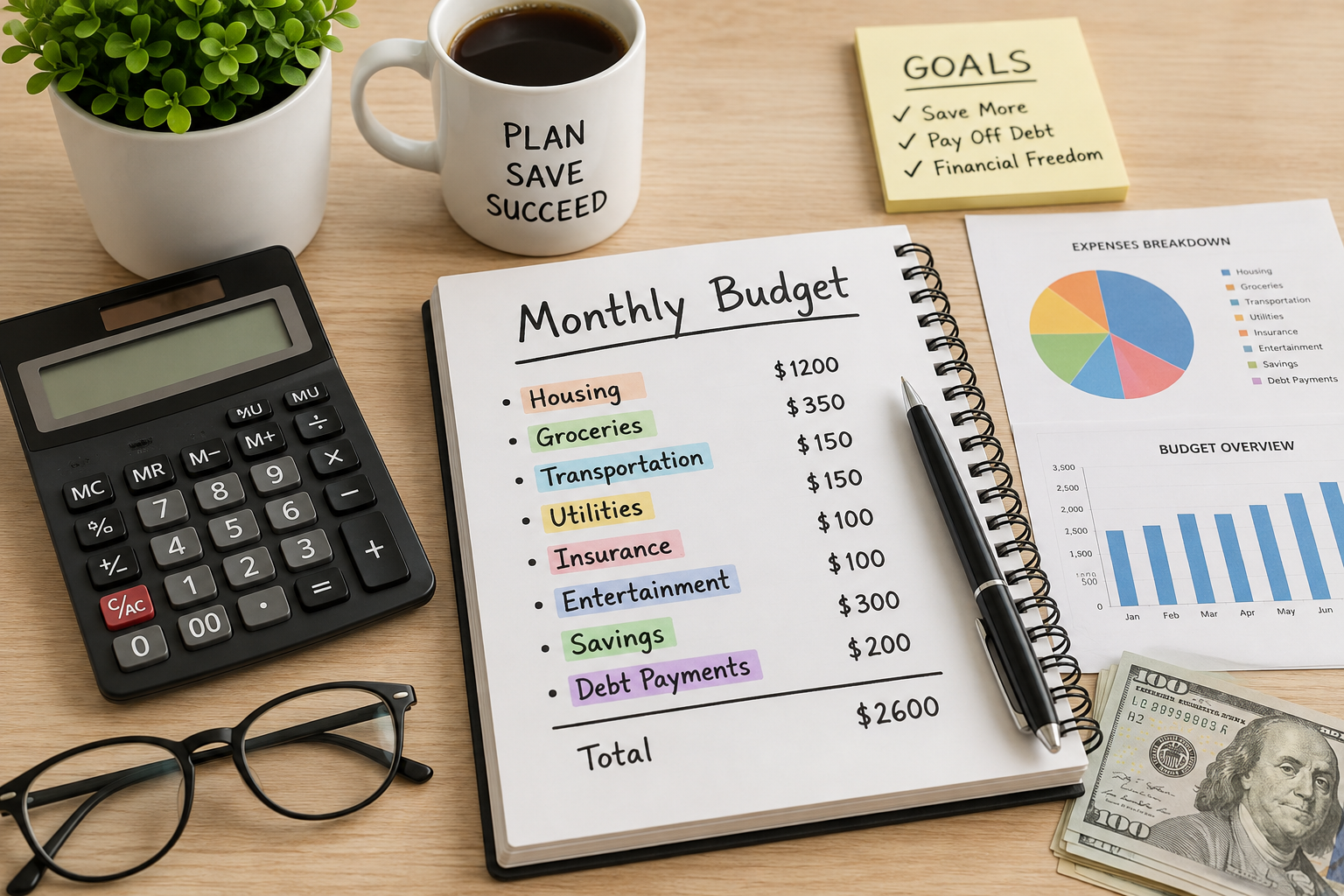
Your basic categories might include housing, groceries, transportation, utilities, debt payments, savings, personal spending, entertainment, and miscellaneous expenses.
You can divide expenses into fixed and variable expenses as well.
Fixed expenses are costs that usually stay the same each month. Rent, insurance, loan payments, and certain subscriptions are common examples.
Variable expenses can change from month to month. Groceries, entertainment, shopping, and transportation may fall into this category.
This separation helps you understand which expenses you have more control over.
Set Realistic Spending Limits
This is where I think many budgets fail.
People often create unrealistic spending limits because they want to save money quickly. They may decide to spend almost nothing on entertainment, eating out, or personal purchases.
That plan might work for a few days, but eventually they become frustrated and abandon the budget completely.
I believe a better approach is to create limits that are challenging but realistic.
If you normally spend $200 a month on eating out, suddenly reducing it to $20 may not be practical. Instead, you could start with $120 and gradually reduce it if that feels comfortable.
A budget should fit your real life.
You should be able to enjoy some of your money while still working toward your financial goals.
Pay Yourself First
One habit that has made budgeting easier for me is treating savings as an expense rather than something that happens at the end of the month.
Many people spend their income first and plan to save whatever remains. Unfortunately, there is often very little left.
Instead, decide how much you want to save and move that money aside when you receive your income.
Even if you can only save a small amount, consistency matters.
For example, saving $100 every month means you could have $1,200 after a year, without considering any interest or investment returns.
As your income improves or your expenses decrease, you can increase your savings amount.
The important thing is to make saving part of your normal monthly routine.
Create an Emergency Fund
A monthly budget should include money for unexpected situations.
Life does not always follow a plan. Your car may need repairs. A household appliance might stop working. You could have an unexpected medical expense or temporarily lose part of your income.
This is why I believe an emergency fund is one of the most important parts of personal financial planning.
You do not have to build a huge emergency fund immediately. Start with a small target that feels achievable.
Once you have saved a basic emergency reserve, you can gradually work toward covering several months of essential expenses.
Keeping this money separate from your everyday spending account can also make it easier to avoid using it for unnecessary purchases.
Give Yourself a Personal Spending Amount
I think every realistic budget should include some money for personal enjoyment.
If your budget only includes bills and savings, you may eventually feel like you are constantly restricting yourself.
Set aside a specific amount that you can spend without feeling guilty.
This could be used for restaurants, movies, hobbies, clothes, games, travel, or anything else you enjoy.
The key is staying within the amount you have decided.
When personal spending has its own place in the budget, you can enjoy it while still knowing that your important financial responsibilities are covered.
Plan for Irregular Expenses
One mistake I often see when people create budgets is forgetting expenses that do not happen every month.
For example, you might pay an annual insurance bill, school fees, holiday expenses, vehicle maintenance, or yearly subscriptions.
These expenses can cause problems if you do not prepare for them.
A simple solution is to estimate the yearly cost and divide it by twelve.
Suppose you expect to spend $1,200 on irregular expenses during the year. You could set aside $100 each month.
When the expense arrives, the money is already available.
This approach can make your monthly budget much more stable because large occasional expenses do not suddenly destroy your finances.
Use a Simple Budgeting Method
There are many budgeting methods available, but I do not think you need a complicated system.
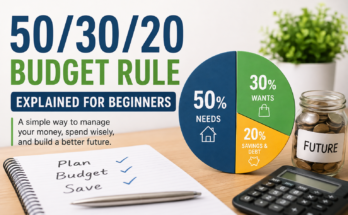
One popular approach is the 50 30 20 method. Under this framework, around 50 percent of income goes toward needs, 30 percent toward wants, and 20 percent toward savings and debt repayment.
However, these percentages are not rules that everyone must follow.
Someone living in an expensive city may spend more than 50 percent on housing. Someone focused on paying off debt may want to put more than 20 percent toward debt repayment.
Use budgeting percentages as a starting point rather than a strict requirement.
Your personal circumstances should determine your budget.
Review Your Budget Every Week
Creating a budget once a month is not enough.
I recommend spending a few minutes each week reviewing your progress.
Look at how much you have spent and compare it with your planned amounts.
If you notice that you are spending too quickly in one category, you still have time to adjust.
For example, if you have already spent most of your entertainment budget during the first two weeks, you can reduce entertainment spending for the remaining weeks.
This is much better than waiting until the end of the month and discovering that you have spent far more than planned.
A weekly review keeps the budget active instead of turning it into a document that you forget about.
Do Not Give Up After One Bad Month
This is probably the most important point I would give anyone starting a budget.
Your budget will not be perfect every month.
There may be months when you spend more than expected. Something unexpected may happen. You may simply make a few bad decisions.
That does not mean the entire budgeting system has failed.
Instead of giving up, look at what happened.
Maybe your grocery estimate was too low. Maybe transportation costs increased. Maybe you forgot about an annual bill.
Use that information to improve next month’s budget.
A successful budget is not one where everything goes perfectly. It is one that helps you learn from your spending and make better decisions over time.
Make Your Budget Easy to See
I personally find it easier to follow a budget when I can see it clearly.
You could create a simple spreadsheet with your income, expenses, savings, and remaining balance.
You could also use a budgeting application or write everything in a notebook.
The best system is the one you will actually use.
There is no benefit in creating a beautiful and complicated spreadsheet if you never open it.
Keep your budget simple enough that checking it takes only a few minutes.
Final Thoughts
Creating a monthly budget that actually works is less about restricting yourself and more about creating a financial plan that matches your real life.
Start by understanding your income and tracking your current spending. Separate your fixed and variable expenses, create realistic spending limits, prioritize savings, and prepare for unexpected and irregular expenses.
Most importantly, give yourself some flexibility.
In my opinion, the best budget is not the most strict budget. It is the one you can follow month after month without feeling completely overwhelmed.
Your financial situation will change over time, so your budget should change with it. As your income increases, expenses change, or your goals become different, adjust your plan.
You do not need to become perfect with money overnight. You simply need to become more aware of where your money is going and make intentional decisions about what you want it to do.
A monthly budget can give you that control. When you know what is coming in, what is going out, and what you are working toward, managing money becomes much less confusing.
The goal is not to control every single dollar. The goal is to make your money work better for your life.